If you’ve lived in the East Valley for more than a single summer, you know the drill. When the thermometer in Gilbert or Chandler hits 115°F, it isn't just "uncomfortable" for us: it’s a full-on assault on your swimming pool.
I’ve been maintaining pools in the Mesa and Queen Creek area for over 21 years. I’ve seen what happens when the Arizona sun meets a pool that isn't prepared. By July, I’m usually getting frantic calls about "sudden" green algae, cloudy water, and pumps that sound like they’re screaming for mercy.
The truth? Most of these issues aren't "sudden." They’re the result of small maintenance mistakes that get magnified by the extreme heat. If you’re handling your own pool care this summer, here are the 7 biggest mistakes I see homeowners making right now and exactly how to fix them before your backyard oasis turns into a science project.
1. The "Once-a-Week" Testing Trap
Check free chlorine and pH at least twice daily and more often with heavy swimming, using a suitable kit according to its instructions. Weekly service or clear-looking water does not establish conditions between checks. CDC home-pool testing guidance.

2. Running Your Pump on "Winter Time"
I see it all the time in San Tan Valley and Apache Junction: homeowners leave their pool pump on a 4 or 6-hour winter schedule. In 115-degree weather, the water needs to move. Stagnant water is where algae thrives, and heat accelerates that growth exponentially.
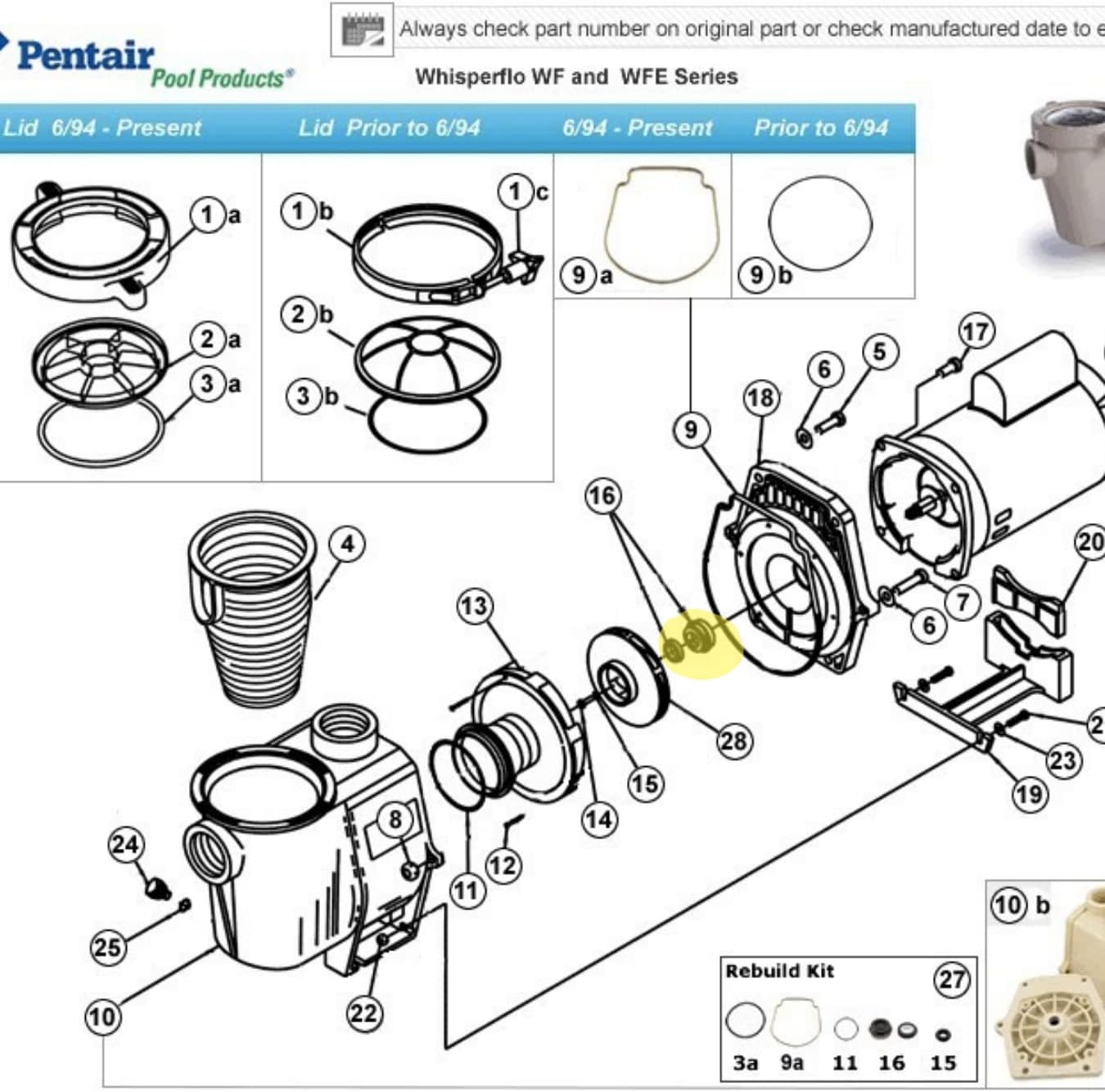
Set pump speed and schedule from the actual pool and equipment requirements. Confirm adequate flow for filtration, sanitizer, heater and cleaner before lowering speed. No universal air-temperature formula or number of operating hours proves sanitation. Inspect flow, filter condition and water-test results, and use the exact model instructions or qualified assistance. Pentair servicing guidance.
3. The "Chlorine Tab Overload" (The CYA Creep)
When the chlorine disappears, the first instinct is to throw more tabs in the floater or the chlorinator. But those tabs are stabilized with Cyanuric Acid (CYA). Over time, the CYA levels in your pool build up. When CYA gets too high (above 80-100 ppm), it actually starts "locking" your chlorine, making it ineffective.
The Fix: Stop relying solely on tabs. Use liquid chlorine to "shock" the pool and maintain levels without raising your CYA. If your CYA is already through the roof, the only real fix is a partial drain and refill: but you have to be careful doing that in 115°F heat to avoid plaster damage. If you’re unsure, check out our Virtual Service Call for a professional second opinion before you pull the plug.
4. Ignoring the "Arizona Water Line"
Between 115°F heat and our low humidity, your pool is likely losing a quarter to a half-inch of water every day to evaporation. If that water level drops below the skimmer opening, your pump will start sucking air instead of water. This leads to overheating and can melt the plumbing or burn out your motor.
The Fix: Check your water level daily. It should stay right at the halfway mark of your skimmer. If you’re losing more than half an inch a day, you might not just have an evaporation problem: you might have a leak. We specialize in leak detection in Mesa and Gilbert, so don't wait until your water bill explodes to call us.
5. The "I'll Clean it After Monsoon Season" Myth
Monsoons in the East Valley aren't just rain; they are "haboobs" that dump fine desert dust, nitrogen, and organic debris into your pool. If you leave that dust sitting on the bottom, it consumes your chlorine and provides a "buffet" for algae.
The Fix: You have to be proactive. After a dust storm, get your Pentair Rebel pool cleaner running immediately. Empty the skimmer and pump baskets right away: don't let them get packed with leaves, or you'll lose flow and risk pump damage.

6. Letting Your Equipment Bake in the "Blast Zone"
Most pool equipment in Queen Creek and Chandler is installed on the side of the house, often facing south or west. At 115°F, the ambient temperature inside those plastic motor covers can reach 140°F+. This cooks the internal electronics of your pool automation tools and shortens the life of your pump's seals.
The Fix: If your equipment is in direct sun all day, consider a professional shade structure or a "cool-top" cover. Just make sure there is still plenty of airflow; you don't want to trap the heat in. Also, keep an eye on your automation screen: if it’s turning black or fading, it’s a sign the sun is winning.
7. DIY Chemistry Guesswork
The biggest mistake I see is "reactionary" chemistry. You see the water is cloudy, so you dump three bags of shock in. Then the pH spikes, so you dump a gallon of acid in. Now your alkalinity is crashed, and your plaster is being etched. This "yo-yo" chemistry is expensive and hard on your equipment.
The Fix: Take a teaching approach to your pool. Learn why the pH is moving. In Arizona, our fill water is very "hard" and high in pH. Every time you top off the pool, you are raising the pH.
Need a Second Opinion?
If you’re staring at your pool equipment in Gilbert or San Tan Valley and something just doesn’t look right, don't start guessing. For the price of a few bags of shock, you can use our Virtual Service Call. You upload photos or a video of the problem, and I’ll personally review it and give you a real diagnosis.
I’ll tell you exactly what’s wrong and how to fix it: whether it’s a DIY job or something that needs a pro. It saves you from the "service call fee" just to have someone tell you a lid isn't tight.
Keep it clear, keep it moving, and stay cool out there.
: Jeff Niegsch, Founder
Complete Aquatic Solutions

Book a Virtual Tech Diagnosis Now
Browse Our DIY Guides & Parts