If you’ve lived in the East Valley long enough, you know the drill. The sky turns a weird shade of orange, the wind starts howling through the palo verde trees, and suddenly a wall of dust: the "haboob": is barreling toward your backyard. For pool owners in Queen Creek, San Tan Valley, Mesa, Gilbert, and Chandler, Arizona, this isn't just a weather event; it’s a direct assault on your pool's chemistry and equipment.
As a 21-year veteran in the pool industry, I’ve seen it all. I’ve seen pools turned into mud pits, Pentair IntelliFlo motors fried by surges, and expensive patio furniture resting at the bottom of the deep end. Most of these "east valley pool problems 2026" are completely avoidable.
Here are the 7 biggest mistakes I see Arizona pool owners make during monsoon season, and how you can fix them before the next storm hits.
1. Draining the Pool Before the Storm
This is the #1 myth I hear. People think, "It’s going to rain a lot, I should drain some water out so it doesn't overflow." Stop right there.
Unless you are expecting a once-in-a-century flood, do not drain your pool. Your pool needs that water level to stay at the midpoint of the skimmer so the pump can actually circulate and filter the dirt that’s about to fall from the sky. If you lower the water too much, the skimmer starts sucking air, which can lose prime and potentially burn out your pump. Plus, in places like San Tan Valley where the soil can get saturated, an empty pool can actually "pop" out of the ground due to hydrostatic pressure.
The Fix: Keep the water at its normal level. If it overflows slightly during the rain, it’s usually not a big deal; it will drain off into your yard's drainage zones.
2. Leaving "Launch Pads" on the Deck
In Gilbert and Chandler, we get some serious microbursts. I’ve seen heavy umbrellas and "unbreakable" patio chairs fly 30 feet and land right in the middle of a pebble-tec finish. This doesn't just make a mess; it can chip the interior of your pool or damage the tile line.
The Fix: If a storm is forecasted, move your umbrellas, toys, and light furniture into the garage or a storage shed. If you can’t move them, zip-tie them together or sink the plastic ones in the pool (though I’m not a fan of this, it’s better than them becoming projectiles).
3. Ignoring the Breakers
Monsoons are famous for lightning. While your Pentair automation tools and IntelliCenter systems are built tough, they aren't invincible against a direct or nearby lightning strike. I’ve replaced more fried control boards in Mesa pool cleaning routes than I care to count.
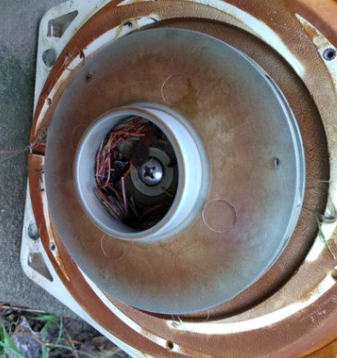
Plan storm preparations before weather becomes hazardous. Do not approach electrical equipment, wet decks or the equipment pad during lightning or flooding. Get indoors when thunder is nearby; wait at least 30 minutes after the last thunder or lightning before returning outside. Submerged or damaged equipment requires qualified assessment before reenergizing. National Weather Service lightning guidance.
4. Failing the "Chemistry Pre-Game"
Most people wait until the pool is green to test the water. During monsoon season, your pool is being hit with organic debris, dust (which carries phosphates), and rainwater (which is acidic). This is a recipe for an algae bloom.
The Fix: Before the storm season starts, get your water tested properly. Don't just rely on strips; use a high-quality Taylor K-2006 test kit. You want your chlorine levels a little on the high side (3-5 ppm) and your pH balanced. If you know a haboob is coming, a "preventative" dose of liquid chlorine can help the pool fight off the initial wave of bacteria.

5. Running the Pump with Clogged Baskets
After a storm, the first thing people do is turn on their pump to "clean the water." But if your skimmer and pump baskets are packed with leaves and desert debris, you’re starving the pump of water. This leads to cavitation, overheating, and eventually, a melted seal plate.
The Fix: Always clear the skimmer and pump baskets before you turn the equipment back on after a storm. If the pool is really trashed, you might need to empty those baskets every hour for the first few hours of cleanup. For heavy debris, a commercial-grade cyclone separator can be a lifesaver to keep that junk out of your main filter.

6. Trusting a "Shock" to Do the Brushing
I see this a lot in Queen Creek pools. The owner dumps in five gallons of shock, sees the water is still cloudy, and gives up. Chemistry is only half the battle. Arizona dust is heavy and fine; it settles into the pores of your plaster and stays there.
The Fix: You have to brush. After a storm, brush the walls and floor of the pool toward the main drain. This kicks the dust back into suspension so the filter can actually catch it. If you have a Pentair Rebel pool cleaner, make sure the "feet" are clear of debris so it can help you out, but don't expect it to do all the heavy lifting after a haboob.
7. Neglecting Post-Storm Filtration
A common mistake is running the pump on its normal 8-hour cycle after a massive dust storm. Your filter just got hit with a month's worth of dirt in 20 minutes.
Set pump speed and schedule from the actual pool and equipment requirements. Confirm adequate flow for filtration, sanitizer, heater and cleaner before lowering speed. No universal air-temperature formula or number of operating hours proves sanitation. Inspect flow, filter condition and water-test results, and use the exact model instructions or qualified assistance. Pentair servicing guidance.
Expert Advice: The Virtual Second Opinion
Sometimes, despite your best efforts, the equipment just won't behave. Maybe the pump is making a screaming sound, or your IntelliCenter is giving you a cryptic error code. Before you call out a tech and pay a $150 service fee just for them to show up, consider our Virtual Service Call.
You upload a few photos or a video of the problem, and I’ll take a look. As a CPO-certified expert with two decades of experience, I can often diagnose the issue remotely. I’ll tell you exactly what’s wrong, what parts you need (like a new Pentair Whisperflo seal plate), and whether it’s a DIY fix or if you need a pro on-site.
Keeping Your East Valley Pool Crystal Clear
Monsoon season is part of life in Arizona, but it doesn't have to mean a ruined pool. Whether you’re in the heart of Chandler or out in San Tan Valley, staying ahead of the weather is the key.
If you're feeling overwhelmed by the "east valley pool problems 2026" or just need a reliable hand with your Gilbert pool maintenance, we’re here to help. At Complete Aquatic Solutions, we treat every pool like it’s our own: with honesty, experience, and the right tools for the job.

Need a hand with your pool equipment or chemistry?
Book a Virtual Service Call now or Contact us for East Valley service.