If you live in the East Valley: whether you’re in Queen Creek, Gilbert, Mesa, or Chandler: you know that June and July aren't just "hot." They are a literal survival test for your swimming pool. When the thermometer hits 110°F and stays there, your pool isn't just a place to cool off; it’s a complex chemical engine fighting a war against evaporation, UV rays, and monsoon dust.
In my 21 years of running Complete Aquatic Solutions, I’ve seen the same seven mistakes happen every single summer. Most of these aren’t from a lack of trying; they come from applying "standard" pool advice to an environment that is anything but standard.
Here is what you are probably doing wrong with your Arizona pool maintenance right now, and exactly how to fix it before your water turns into a swamp.
1. Testing Your Water Only Once a Week
Check free chlorine and pH at least twice daily and more often with heavy swimming, using a suitable kit according to its instructions. Weekly service or clear-looking water does not establish conditions between checks. CDC home-pool testing guidance.
I always recommend the Taylor K-2006 test kit. It’s the gold standard for a reason. Don't rely on those cheap test strips that bake in your garage; they lose accuracy fast in the heat. If you're seeing cloudy water, you're already behind.
2. Letting the Water Level Drop Too Low
Arizona's dry air and extreme heat can cause your pool to lose half an inch of water a day. If your water level drops below the midpoint of the skimmer, your pump will start sucking in air. This leads to a lost prime, an overheated motor, and eventually, a very expensive repair bill.
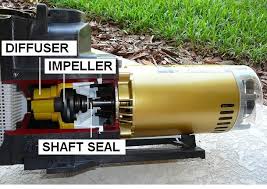
The Fix: Keep your water level right at the halfway mark of your skimmer tile. If you have an auto-fill, check it weekly to ensure it isn’t stuck. If you’re manually filling, set a timer on your phone so you don't accidentally leave the hose running for three days (we’ve all done it).
3. Running Your Pump During the Hottest Part of the Day
Set pump speed and schedule from the actual pool and equipment requirements. Confirm adequate flow for filtration, sanitizer, heater and cleaner before lowering speed. No universal air-temperature formula or number of operating hours proves sanitation. Inspect flow, filter condition and water-test results, and use the exact model instructions or qualified assistance. Pentair servicing guidance.
Try splitting your run time: run it for a few hours in the early morning and the bulk of it at night when the water is slightly cooler and the chlorine can work without being blasted by UV rays. If you have a variable speed pump, run it at a lower RPM for longer durations to save on the electric bill.
4. "Set and Forget" Chlorine Tabs
If you only use 3-inch chlorine tabs in a floater, you’re walking into a trap called "Cyanuric Acid (CYA) Creep." Those tabs are stabilized with CYA to help the chlorine last in the sun. However, CYA doesn’t evaporate. Over time, it builds up so high that it "locks" your chlorine, making it ineffective.
The Fix: Use the Taylor K-2006 to check your CYA levels. If they are over 100 ppm, your chlorine can't do its job, no matter how much you add. The only real fix for high CYA is draining a portion of the pool and refilling it with fresh water. To avoid this, consider "shaking" the pool with liquid chlorine once a week to maintain levels without adding more stabilizer.
5. Neglecting Your Pool Cleaner
Your automatic pool cleaner, like the Pentair Rebel, is your best friend during monsoon season. But the Arizona sun is brutal on plastic and rubber. I often see cleaners left in the pool until the hoses become brittle and the gears grind to a halt because they're full of San Tan Valley sand.
The Fix: Inspect your cleaner’s tires and hoses for cracks. Clean out the internal turbine if it’s sluggish. If your cleaner isn't moving, it's not just a debris problem: it means your water isn't circulating properly on the bottom, which is where algae loves to start.
6. Ignoring Small Leaks (The "It's Just Evaporation" Myth)
"It's just the heat" is the most common thing I hear when a customer's water bill spikes. While evaporation is real, a leak can hide behind it. If you’re losing more than 2 inches a week, you might have a problem.
The Fix: Do the "Bucket Test." Fill a 5-gallon bucket with pool water and set it on the first step of the pool. Mark the water level inside the bucket and the pool water level on the outside of the bucket. After 24 hours, if the pool level dropped significantly more than the bucket level, you have a leak.
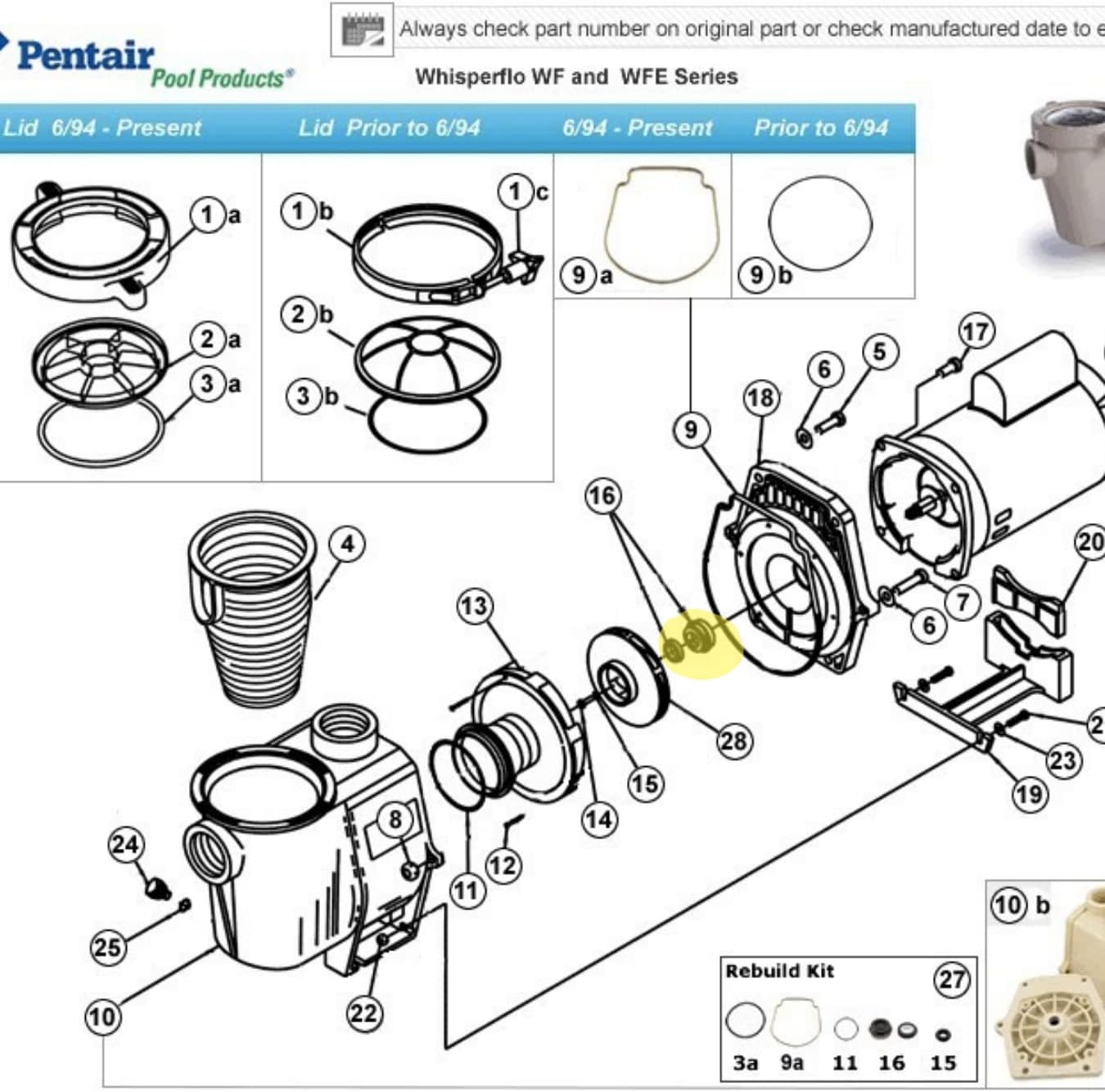
Check your equipment pad for wet spots or white crusty buildup (calcium) around the pump seals. If you see corrosion like the image below, you need to act fast.

7. Forgetting to Brush
Even if your chemistry is perfect and your Pentair Rebel is humming along, you still need to brush. The heat causes "dead spots" in the corners and on the steps where algae can take hold even if the rest of the pool is clear.
The Fix: Brush your pool at least once a week. This knocks off the invisible biofilm that protects algae from the chlorine. Think of it like brushing your teeth; you still have to do it even if you use mouthwash.
Need a Second Opinion?
Maintaining a pool in the East Valley is a full-time job in the summer. If you’re struggling with cloudy water, a noisy pump, or you’re just not sure if your chemicals are right, don't guess: get a pro's eyes on it without the "service call" price tag.
Use our Virtual Service Call. You upload a few photos and a video of your equipment, tell us what’s happening, and I’ll give you a real diagnosis and a game plan. It’s the easiest way to get an expert opinion in Queen Creek, Mesa, or Gilbert without waiting for a truck to show up.
If you’d rather just have us handle the heavy lifting, you can check out our Full Service options or dive into our DIY Guides for more tips.
Stay cool out there!
( Jeff Niegsch
Complete Aquatic Solutions)