Well, it’s officially July in the East Valley. If you stepped outside this morning in Queen Creek or San Tan Valley, you already felt it: that dry, heavy heat that tells you summer isn't just coming; it’s moved in and it brought its bags.
With the mercury hitting 103°F today and only climbing from here, your swimming pool is under a massive amount of stress. Between the relentless UV rays, the rising water temperatures, and the inevitable evaporation, your backyard oasis can turn into a swampy green mess faster than you can say "Mesa monsoon."
I’ve been in the pool industry for over 21 years, and I’ve seen it all. Today, I’m putting on my tech hat to give you a quick "Pulse Check" on what you need to do right now to keep your water clear and your equipment running through this heatwave.
The Arizona Summer Struggle: Why July is Brutal for Pools
In places like Gilbert and Chandler, we don’t just deal with heat; we deal with intense radiation. The sun doesn't just warm the water; it actually consumes your chemicals. When the water temp crosses that 85-degree mark, your chlorine has to work twice as hard to keep up with bacteria and algae.
If you aren't proactive, you’ll find yourself spending hundreds of dollars on "Green-to-Clean" treatments later this month. Let’s avoid that. Here are five steps you can take today to protect your pool.
1. Outsmart the Sun: Boost Your Sanitizer Strategy
The biggest enemy of your pool right now isn't the heat: it’s the UV index. Without a proper stabilizer, the sun can strip 90% of your pool’s chlorine in just two hours.

Test, Don’t Guess
Check free chlorine and pH at least twice daily and more often with heavy swimming, using a suitable kit according to its instructions. Weekly service or clear-looking water does not establish conditions between checks. CDC home-pool testing guidance.
- Free Chlorine (FC): Target 3.0 to 5.0 ppm. Don't let it dip below 2.0. In this heat, a little extra is better than too little.
- Cyanuric Acid (CYA): This is your "sunscreen" for chlorine. In the East Valley, we generally want this between 30–50 ppm. If it’s too low, your chlorine disappears. If it’s too high (over 100), your chlorine becomes "locked" and ineffective.
If you’re seeing cloudy water already, it’s time to shock the pool. Do it at night so the chlorine can work without the sun fighting it immediately.
2. Manage the Vanishing Act: Evaporation and Water Levels
Have you noticed your water line dropping an inch or two every few days? That’s not necessarily a leak (though we can help with leak detection if you're worried); it’s the standard Arizona tax.
When the air is this dry and the temp is this high, evaporation is aggressive. If your water level drops below the skimmer mouth, your pump will start sucking air instead of water. This leads to the pump losing prime, overheating, and potentially melting your pool pump seal plate or damaging the motor.
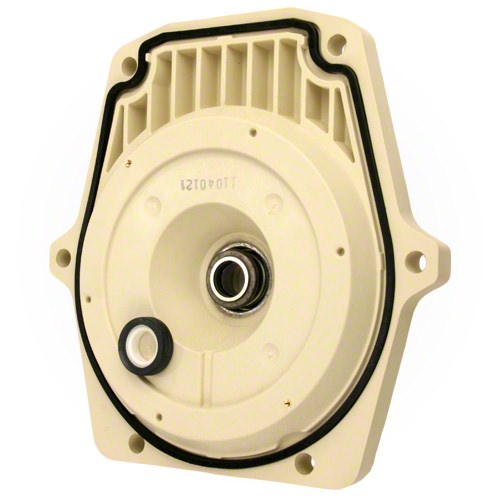
The Tech Tip: Check your auto-fill daily. If you don't have one, keep an eye on that tile line. If the water is halfway up the skimmer opening, you’re in the safe zone. If you have to add a lot of fresh water, remember to re-test your chemicals. Tap water in Queen Creek and San Tan Valley can be very "hard" and will shift your balance.
3. Crank Up the Circulation: Summer Run Times
In the winter, you might get away with running your pump for 4 or 5 hours. In July? Forget about it. Stagnant water is an invitation for algae.
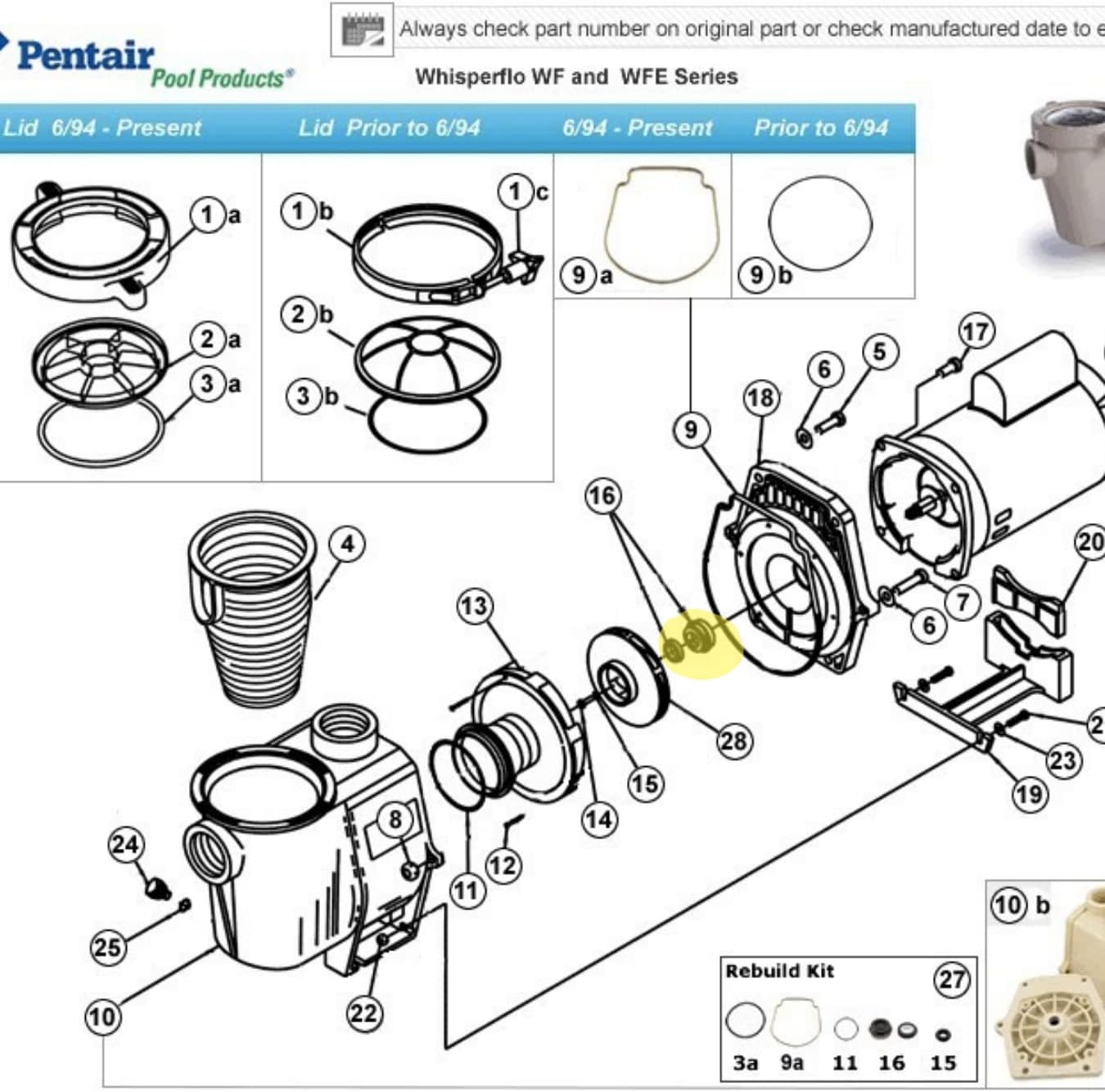
Set pump speed and schedule from the actual pool and equipment requirements. Confirm adequate flow for filtration, sanitizer, heater and cleaner before lowering speed. No universal air-temperature formula or number of operating hours proves sanitation. Inspect flow, filter condition and water-test results, and use the exact model instructions or qualified assistance. Pentair servicing guidance.
Pool Automation Tools
If you’re still manually flipping switches, you’re working too hard. Systems like the Pentair IntelliCenter allow you to adjust run times from your phone. This is a lifesaver when you’re stuck at work in Chandler and realize you forgot to turn the pump up before the heat hit its peak. Check out our equipment troubleshooting page if your timer is giving you grief.
4. Keep the Debris Moving: Clean Baskets and Cleaners
A clogged basket is the fastest way to kill a pump. Even if there hasn't been a big wind storm lately, small debris, dust, and insects accumulate quickly.
Check your skimmer baskets and your pump basket (the one under the clear lid) daily. If the pump has to fight through a pile of mesquite pods and dead crickets, it’s going to run hot.

If you’re using an automatic cleaner like the Pentair Rebel, make sure its internal turbines aren't jammed. A cleaner that stays in one spot for three days isn't just useless: it’s a sign that your circulation is suffering. If your cleaner is struggling, we can help with parts lookup to get it back in gear.
5. The pH Factor: Efficiency is Everything
Many homeowners ignore pH and just dump in more chlorine. That’s a mistake. In high heat, chlorine is significantly more effective when the pH is on the lower side of the scale.
Target a pH of 7.2 to 7.4. If your pH climbs to 7.8 or 8.0 (which it loves to do in Arizona), your chlorine is only working at about 30% of its capacity. By keeping your pH balanced, you actually save money because you use less chlorine to get the same sanitizing power.
When the Heat is Too Much: Get a Professional Second Opinion
Keeping a pool crystal clear in a 103°F Arizona summer is a full-time job. Sometimes, despite your best efforts, the water gets dull, the pump makes a weird screeching sound, or the chemistry just won't stay balanced.
Before you go out and spend $500 on chemicals you might not need, or call a repair company that will charge you $150 just to show up, try our Virtual Service Call.
It’s simple: you upload a few photos or a video of your pool or equipment, describe what’s happening, and I’ll give you a real diagnosis. I can tell you if that pump noise is a simple $20 fix or if it’s time for a replacement. It’s the fastest way to get an expert's eyes on your pool without the "truck roll" fee.
Stay cool out there, East Valley. Your pool is your best friend this time of year; treat it right, and it’ll keep you sane until October.
Need a hand? Contact Complete Aquatic Solutions today for expert service in Queen Creek, San Tan Valley, Mesa, Gilbert, and Chandler.
