If you are a board member or property manager in the East Valley: whether you’re overseeing a high-density apartment complex in Chandler or a sprawling HOA in Queen Creek: you know that the "pool guy" is often the most scrutinized vendor on your payroll.
As we move through 2026, the landscape of arizona pool maintenance has changed. We aren't just dealing with the standard "green-to-clean" issues anymore. Between stricter Maricopa County health inspections, rising water costs, and the integration of AI-driven automation, the stakes for commercial pools have never been higher.
I’ve been in the industry for 21 years, and at Complete Aquatic Solutions, we focus on a commercial-first approach. Here are 10 things you need to know about managing your community’s greatest asset in 2026.
1. Your HOA Pool is a "Commercial" Entity
Many board members are surprised to learn that an HOA pool is legally classified as a "semi-public" or commercial pool in Maricopa County. This means it is governed by the same strict health codes (Arizona Administrative Code R9-8) as a resort or a public water park.
In 2026, the county has stepped up enforcement. A "residential" pool service company: one that primarily cleans backyard pools: often lacks the specialized knowledge to keep a commercial facility in compliance. You need a partner who understands the specific permits and operational inspections required to keep your gates open.
2. The 12-Month Logbook Requirement
Compliance isn't just about clear water; it’s about documentation. Maricopa County’s Environmental Health Code requires approved testing equipment and, crucially, a documented log of pH, disinfectant levels, and temperature.
Commercial and residential pools have different requirements. For a public or semipublic facility, consult the applicable Maricopa County Environmental Health Code, permit conditions and current inspection guidance. Confirm the facility classification, required records, barriers and safety equipment with the authority responsible for it. This article does not establish a new 2026 rule or certify compliance. Maricopa County aquatic health and safety.
3. Smart Automation is No Longer "Optional"
With electricity and labor costs trending upward, smart automation like the Pentair IntelliCenter has become a standard for well-managed HOAs in Gilbert and Mesa.
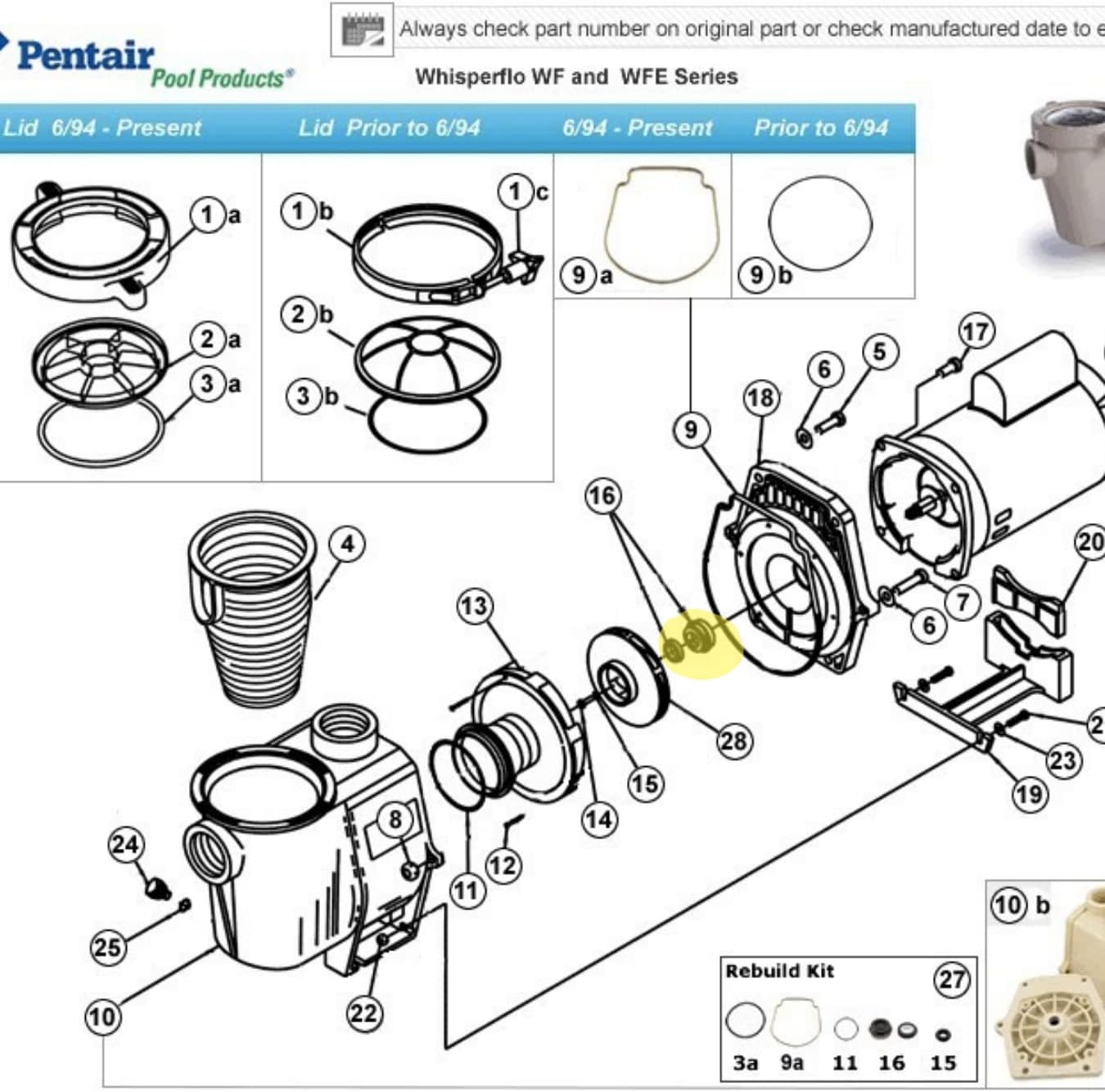
Modern systems now "learn" your pool’s specific usage patterns. They shift filtration and heating to off-peak hours, saving the association thousands in annual utility bills. As a Pentair specialist, I’ve seen how these systems can flag a failing pump motor before it actually dies, allowing for a planned repair rather than an emergency weekend shutdown.
4. Aggressive Water Conservation
East valley pool problems 2026 are dominated by one topic: water scarcity. We are seeing tighter evaporation controls and mandatory leak mitigation across San Tan Valley and Apache Junction.
Commercial pools lose thousands of gallons to evaporation and "splash-out." In 2026, we utilize auto-fill valves linked to leak detection sensors. If your pool is "drinking" more water than usual, our systems alert us immediately. This isn't just about the environment; it’s about protecting your HOA’s budget from astronomical water bills.
5. Advanced Filtration to Combat "Haboobs"
Arizona monsoons and haboobs haven't gone away. In fact, the dust load in the East Valley seems to increase every year as new construction continues in Queen Creek and San Tan Valley.
To keep commercial pools clear, we recommend advanced pre-filtration like the MultiCyclone separator. These devices spin out heavy sediment before it ever hits your main filter, extending the life of your expensive filter grids and reducing the frequency of backwashing (which saves water).

6. The Rise of the "Virtual Service Call"
One of the biggest frustrations for property managers is the "trip charge." You pay $150 just for someone to show up and tell you they need to order a part.
At Complete Aquatic Solutions, we’ve pioneered the Virtual Service Call. If your on-site maintenance team sees an error code on the heater or a leak in the pump room, they can upload photos and video to our AI-assisted platform. I provide a real diagnosis and a plan of action before I even drive out to the property. It’s a second-opinion service that saves HOAs thousands in unnecessary service calls.

7. Safety Equipment and Signage Standards
Commercial and residential pools have different requirements. For a public or semipublic facility, consult the applicable Maricopa County Environmental Health Code, permit conditions and current inspection guidance. Confirm the facility classification, required records, barriers and safety equipment with the authority responsible for it. This article does not establish a new 2026 rule or certify compliance. Maricopa County aquatic health and safety.
8. Why CPO Certification Matters
Never hire a commercial pool contractor who isn't a Certified Pool/Spa Operator (CPO). This certification means the technician has been trained in the physics and chemistry of large-scale water systems.
A commercial pool has a much higher "bather load" than a residential pool. Handling fecal incidents, chemical spikes, and equipment failures in a 50,000-gallon community pool requires a level of expertise that goes beyond basic skimming and brushing. I’ve held this certification for years, ensuring that every property I manage meets the highest safety standards.
9. Reserve Planning for Boards
The pool is often the single most expensive common area asset. Boards must include the pool in their reserve studies.
By 2026, the cost of resurfacing a commercial pool or replacing a commercial-grade heater has risen significantly. We help boards in Chandler and Gilbert map out a 5-to-10-year maintenance plan. Knowing when you’ll likely need a new $5,000 pump allows you to budget properly, avoiding those dreaded special assessments that make homeowners angry.
10. The Owner-Operated Difference
In an era of "big box" pool franchises and private-equity-backed service companies, something gets lost: accountability.
When you hire Complete Aquatic Solutions, you are dealing with me, Jeff Niegsch. I have 21+ years of skin in the game. I don't send a revolving door of "trainees" to your property. I oversee the diagnostics, the chemistry, and the repairs myself. That level of honest judgment is the most valuable thing an HOA board can buy.
Is Your Community Ready for Summer 2026?
Managing a commercial pool in the East Valley doesn't have to be a headache. Whether you need a repair estimate or just a second opinion on a recurring east valley pool problem, we are here to help.
Don't wait for a "Closed by Health Department" sign to appear on your gate. Reach out today for a consultation or try our Virtual Service Call to get an expert diagnosis without the wait.
Book Your Virtual Service Call Now
