It’s July 27, 2026, and if you’ve stepped outside today in Mesa, Gilbert, or Queen Creek, you know exactly what "Arizona summer" feels like. We are sitting at a steady 111°F. At these temperatures, your swimming pool isn’t just a luxury; it’s a giant, outdoor chemistry experiment that is trying to turn into a swamp.
I’ve spent 21 years looking at East Valley pools, and the biggest mistake I see DIYers make isn't using the wrong chemicals, it’s using the wrong data. Most homeowners are out there in the 110-degree sun, squinting at a little plastic strip, trying to figure out if that shade of orange means "fine" or "fix it."
If you want to stop the guessing game and actually save money on your Arizona pool maintenance, you need to retire the test strips and pick up the gold standard: the Taylor K-2006 Service Kit. Here is why this specific kit is the secret weapon for every pool owner from Chandler to San Tan Valley.
The "Guess-Strip" Trap vs. Lab-Grade Reality
Most people start their pool journey with those "7-in-1" test strips. They’re cheap, they’re fast, and in this heat, they’re almost entirely useless.
The problem is resolution. A test strip might tell you your chlorine is "somewhere between 1 and 5." In 110-degree weather, the difference between 1.0 ppm and 4.0 ppm is the difference between a crystal-clear pool and an algae bloom waiting to happen. The Taylor K-2006 doesn't ask you to match a shade of pink on a blurry pad. It uses a method called FAS-DPD titration.
Why "Pink to Clear" Changes Everything

With the Taylor K-2006, you add a powder that turns the water bright pink if chlorine is present. Then, you add drops of a reagent one by one until the water turns perfectly clear. You count the drops. If it took 10 drops, you have 5.0 ppm of chlorine. It’s binary. It’s precise. There’s no "well, it looks kind of like the 3.0 block" squinting involved.
In our East Valley pool problems 2026 report, we’ve found that accuracy is the #1 factor in preventing emergency "green-to-clean" service calls, which can cost hundreds of dollars in chemicals and labor.
The 110° Chlorine Burn: Why Accuracy Saves Your Wallet
When the sun hits 110°+ in the East Valley, UV rays act like a literal vacuum for your chlorine. Without the right levels of Cyanuric Acid (stabilizer), you can lose 90% of your chlorine in just two hours of direct sunlight.
The K-2006 includes a high-quality CYA test. Most strips fail miserably here, often reading "low" when you are actually "high," or vice versa. If your CYA is too high (a common problem in Mesa and Gilbert due to over-using chlorine pucks), your chlorine becomes "locked" and ineffective. You could have 10 ppm of chlorine in the water, but because your CYA is at 150, the pool still turns green.
The Taylor kit allows you to find that "Goldilocks" zone: where your chlorine is protected from the sun but still strong enough to kill bacteria. This prevents you from dumping gallon after gallon of expensive liquid shock into a pool that isn't holding a reading.
The Big Three: pH, Alkalinity, and the Arizona "White Ring"
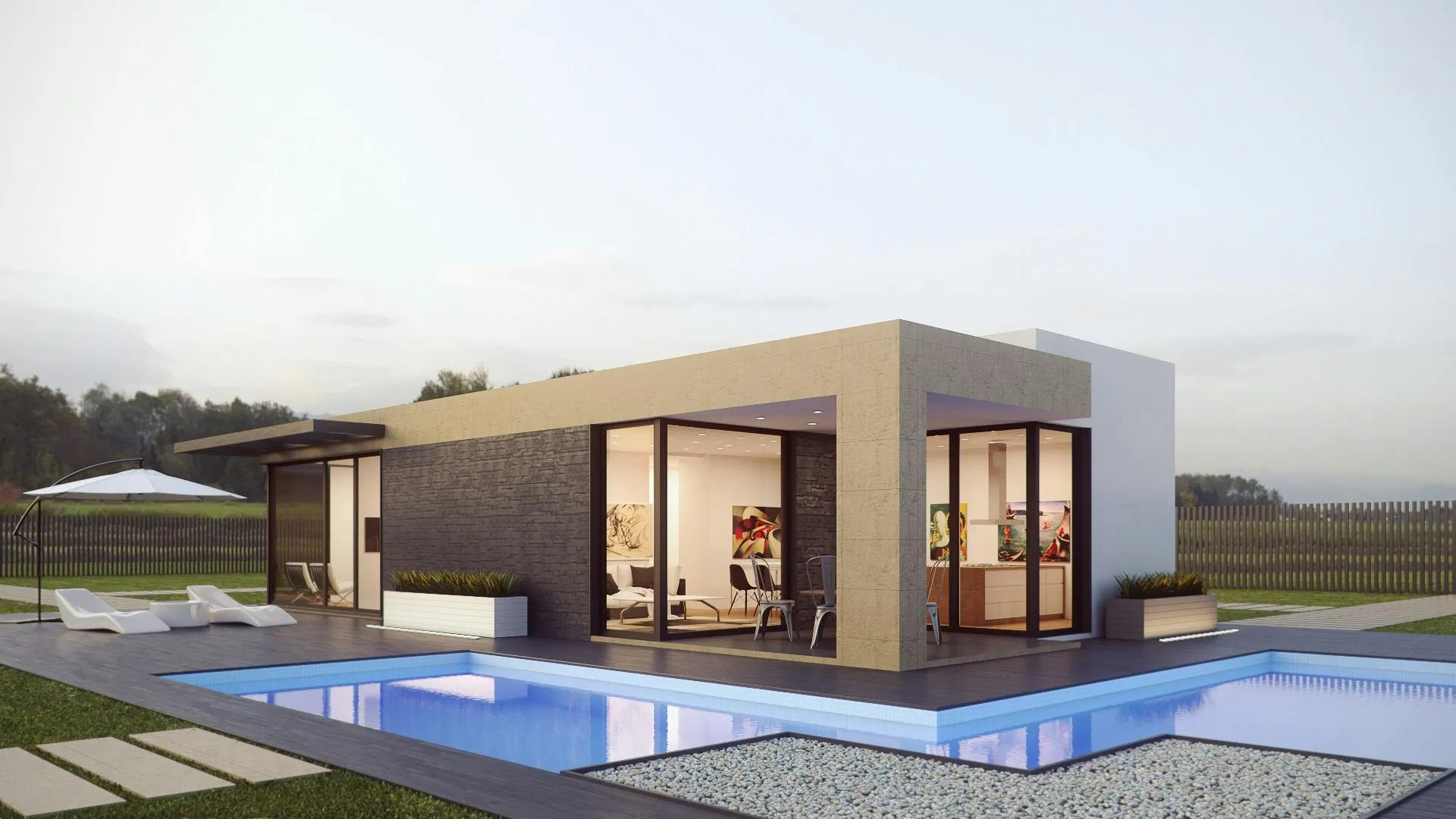
If you live in Queen Creek or San Tan Valley, you know our water is "hard." It’s full of minerals, specifically calcium. When your pool water evaporates in the 111-degree heat, the water disappears, but the calcium stays behind. This leads to that ugly white crust on your tile and, more importantly, scale inside your expensive pool heater and salt cell.
To keep that calcium from sticking to your pool, you have to balance your pH and Total Alkalinity.
- pH (7.4 to 7.6): This is the comfort level for your eyes and your equipment. In AZ, our pH tends to drift UP constantly.
- Total Alkalinity (80 to 120 ppm): Think of this as the "anchor" for your pH. If your alkalinity is wrong, your pH will swing wildly.
- The Taylor Advantage: The K-2006 includes an "Acid Demand" test. If your pH is high, it tells you exactly how many ounces of muriatic acid to add to bring it back down. No more pouring in a half-gallon and hoping for the best.
Why Accuracy Saves You Money
Check free chlorine and pH at least twice daily and more often with heavy swimming, using a suitable kit according to its instructions. Weekly service or clear-looking water does not establish conditions between checks. CDC home-pool testing guidance.
When you guess, you usually over-correct. You add too much acid, then you have to add soda ash. You add too much shock, then you can't swim for three days. You don't realize your calcium is high, and suddenly your pool pump motor is straining against scale-clogged pipes.
By knowing your exact numbers, you make small, surgical adjustments. You use less chemical, your equipment lasts longer, and your water stays clear even when it's 115° outside.
Practical Tips for East Valley DIYers
If you’re taking the plunge into DIY testing this summer, keep these "Tech Secrets" in mind:
- Test at the same time: I recommend testing in the evening once the sun is off the water. This gives you a "true" reading of what's left after the day's heat.
- Rinse is everything: Rinse your test vials with pool water before and after every test. Residual chemicals in the vial will ruin your next reading.
- Store it inside: Do NOT leave your Taylor K-2006 in the garage or out by the equipment pad. The 110-degree heat will bake the reagents and make them inaccurate within weeks. Keep the kit in a cool, dark place inside your house.
- Watch the expiration: Reagents usually last about a year. If they look cloudy or the colors seem "off," it’s time for a refill kit.
Getting a Second Opinion

Even with the best kit, sometimes the numbers just don't make sense. Maybe your chlorine keeps dropping even though your CYA is perfect, or your pH won't stay down no matter how much acid you add.
That’s where we come in. You don't always need a technician to drive to your house in Queen Creek or Gilbert just to look at your water. We offer a Virtual Service Call where you can send us photos of your test results and your equipment. I’ll personally take a look, diagnose the chemistry or equipment issue, and give you a real plan of action before you spend a dime on potentially unnecessary repairs.
Maintaining a pool in the Arizona desert is a marathon, not a sprint. The Taylor K-2006 is the best pair of running shoes you can buy for that race. Stay cool, stay hydrated, and keep those levels balanced!