It’s July 19, 2026, and if you stepped outside today in Mesa, Gilbert, or Queen Creek, you already know: the Arizona "Blow Dryer" is in full effect. We’re hitting 110°F today, and while you might be hiding in the AC, your pool is out there fighting for its life.
I’m Jeff Niegsch, and after 21+ years of keeping East Valley pools blue, I can tell you that this specific stretch of July is when most "DIY" pool care starts to fall apart. Between the extreme heat, the monsoon dust, and the sheer physics of evaporation, your water chemistry is changing faster than you can keep up with.
In today’s Daily East Valley Pool Pulse, we’re diving into the math of evaporation, why your chlorine is disappearing, and how to keep your equipment from melting down.
The Math of the "Disappearing" Pool
Ever feel like you’re filling your pool more than you’re swimming in it? You aren't imagining it. At 110°F with the low humidity we're seeing in San Tan Valley and Chandler right now, an uncovered pool can lose 0.25 to 0.5 inches of water every single day.
Let’s put that into perspective for a standard 15,000-gallon pool:
- Daily Loss: ~150 to 200 gallons.
- Weekly Loss: ~1,000 to 1,400 gallons.
- The Result: That’s like draining and refilling your entire pool every 3–4 months just through the "top-off" cycle.

The "Skimmer Trap"
The biggest danger of this rapid evaporation is the skimmer. If your water level drops below the halfway mark of the skimmer throat, your pump will start sucking air instead of water. This leads to cavitation, which can overheat your pump motor and melt your PVC plumbing.
If you aren't home to check it, or if your autofill is stuck, you’re looking at a $1,500 repair. This is a common east valley pool problem in 2026 we see during these heatwaves.
Tech Tip: Check your water level every evening. It should sit exactly halfway up the tile line or the skimmer opening. If you’re constantly low, you might have more than just evaporation; you might have a leak.
The Chemistry Shift: Why Evaporation Makes Water "Harder"
Here is the part most people miss: Water evaporates, but minerals do not.
When H2O turns into vapor and leaves the pool, it leaves behind every bit of calcium, salt, and stabilizer that was already in it. Then, you add "fresh" Mesa or Gilbert tap water to top it off. That tap water is already loaded with calcium.
This creates a "Concentration Loop":
- Water leaves.
- Minerals stay.
- New minerals are added with fill water.
- Repeat daily.
By the end of July, your pool chemistry solutions that worked in March are useless. Your Calcium Hardness is likely spiking toward 500+ ppm, and your Total Dissolved Solids (TDS) are climbing. This is why you see that white crusty line on your tile: that’s the pool literally "sweating" calcium as the heat pushes the water to its saturation point.
Chlorine vs. The July Sun
At 110°F, the UV index in Arizona is off the charts. Without a proper "sunscreen" for your water, the sun can destroy 90% of your pool's chlorine in less than two hours.
To combat this, you need a high-quality Taylor K-2006 test kit. Don't rely on those cheap test strips; they are notoriously inaccurate when the water temperature is over 90°F. You need to know your Cyanuric Acid (CYA) levels exactly.
- The Sweet Spot: In this heat, we aim for 50–80 ppm of CYA. Too low, and the sun eats your chlorine. Too high, and the chlorine becomes "locked" and ineffective.
- Check free chlorine and pH at least twice daily and more often with heavy swimming, using a suitable kit according to its instructions. Weekly service or clear-looking water does not establish conditions between checks. CDC home-pool testing guidance.

Equipment Maintenance: Keeping the Gear Cool
Your pool equipment is sitting on a concrete pad that’s probably 140°F right now. Your pool automation tools are your best friend here, but they need help.
The Pentair Edge
If you’re running a Pentair Rebel pool cleaner, check the throat for debris more often. Monsoon winds in Queen Creek and San Tan Valley blow "haboob" dust into the pool, which can clog your cleaner and put extra strain on your pump.
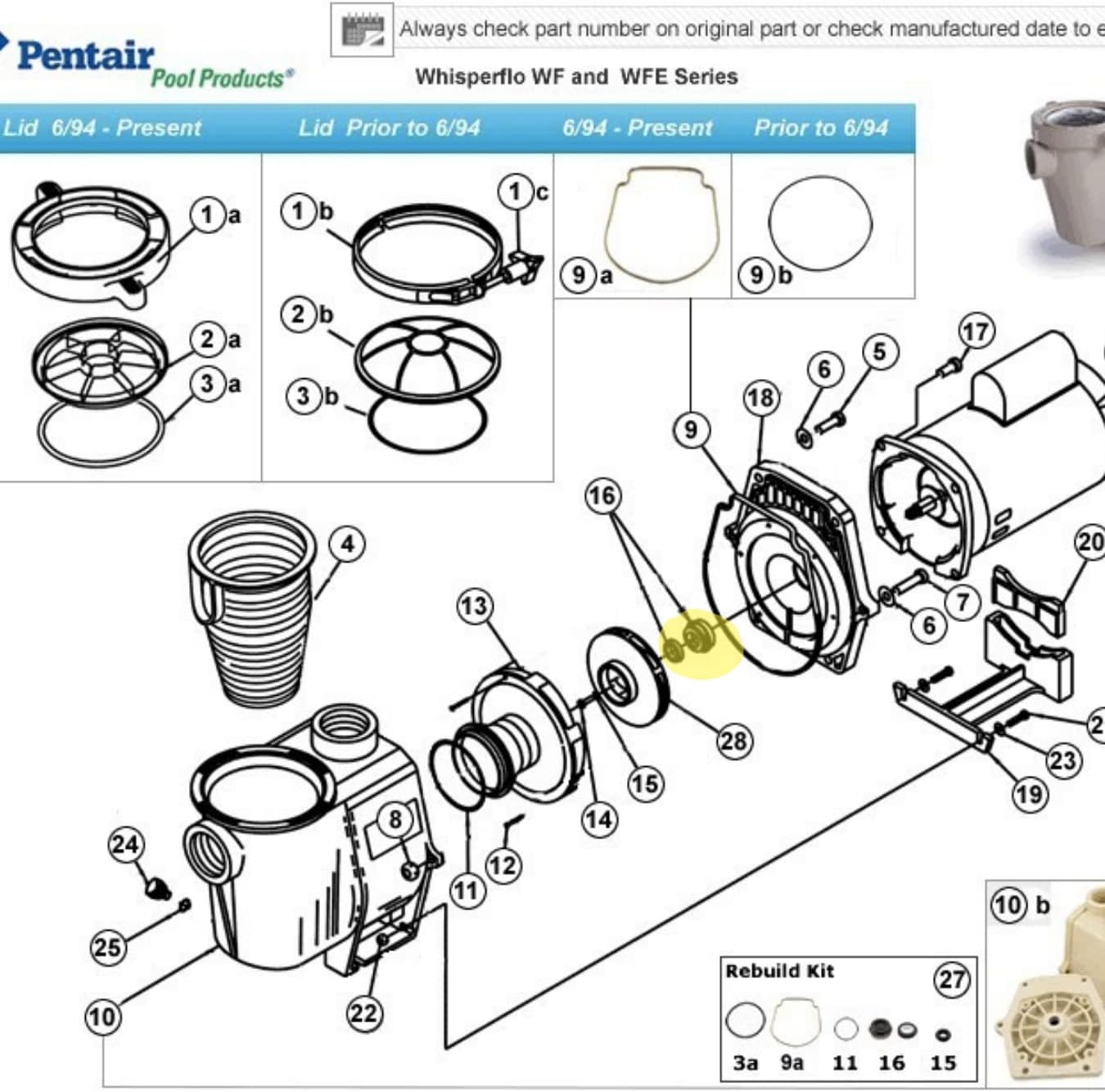
If your pump sounds like a "box of rocks," it might be struggling with the heat or a clogged impeller. As a Pentair specialist, I see many IntelliCenter systems reporting "High Drive Temp" errors in July. Make sure your equipment has adequate airflow and isn't buried under overgrown desert landscaping.
Proactive Summer Checklist for East Valley Owners
If you’re managing your pool yourself in Chandler, Mesa, or Gilbert, here is your 110°F survival guide:
- Run the Pump at Night: Shift your primary filtration hours to the night. It keeps the water moving when it’s "cooler" and reduces the load on the power grid.
- Verify the Autofill: These little valves fail all the time. If it’s stuck "off," your pump burns up. If it’s stuck "on," your water bill will be $400 and your chemistry will be diluted.
- Brush Twice a Week: Algae loves 90-degree water. Brushing breaks the "biofilm" that algae uses to protect itself from chlorine.
- Watch the Salt Cell: If you have a salt pool, the high calcium in our East Valley water will scale up that cell fast in July. Check it for white flakes.
Need a Professional Second Opinion?
Sometimes you look at the pool and just know something isn't right, but you don't want to pay $150 for a service call just to be told "add more acid."
That’s why we built the Virtual Service Call. You upload a few photos of your equipment and a video of the problem, tell me what your Taylor test kit is saying, and I’ll give you a real diagnosis. It’s the fastest way to get a 21-year veteran’s eyes on your pool without the wait.
Whether you need Chandler pool service, Mesa pool cleaning, or Gilbert pool maintenance, Complete Aquatic Solutions is here to help you navigate the 2026 summer heat.
Stay cool, East Valley.