If you’ve lived in the East Valley for more than a minute, you know that 115°F isn't just a number on the news: it’s a physical weight. When the forecast for Chandler, Gilbert, and Mesa hits those triple digits and stays there, your backyard pool isn't just a luxury; it’s a giant chemistry experiment being blasted by a blowtorch.
At Complete Aquatic Solutions, we’ve seen 21+ summers of this. I’m Jeff Niegsch, and I can tell you that when the thermometer crosses that 110°F threshold, the "standard" rules of pool maintenance go out the window. If you’re used to a quick check once a week, this week is going to test your patience: and your water quality.
Here is why your pool service frequency (and your own DIY monitoring) matters more than ever during this 115°F heatwave.
1. The "Chlorine Burnout" is Real
In normal weather, your chlorine works like a steady soldier, fighting off bacteria and organic matter. But when the Arizona sun is directly overhead at 115°F, it’s like your chlorine is being doused in gasoline.
UV rays from the sun are the primary enemy. Even with a good level of Cyanuric Acid (stabilizer/conditioner), extreme heat speeds up the chemical reactions in the water. This means your "free chlorine" (the stuff that actually kills the junk) gets used up at double or triple the normal rate. If your service guy only comes on Mondays, and it’s 115°F from Tuesday to Friday, your pool might be "empty" of sanitizer by Wednesday afternoon.
Test first. Choose any treatment from current measurements, a credible pool volume and the actual sanitizer label; a forecast, calendar or upcoming party does not determine a safe dose. Follow label reentry instructions and retest before allowing swimming. A fixed chlorine target does not guarantee removal of every contaminant. CDC testing guidance. CDC chemical safety.

2. The Algae Explosion Window
Algae loves two things: warm water and a lack of chlorine. In 115°F weather, your pool water temperature can easily climb into the mid-90s. At that temperature, algae doesn't just grow; it colonizes.
Think of it like leaving a loaf of bread on the counter in a swamp. In 70°F water, you might have a few days to catch a chlorine dip. In 95°F water, you have a few hours. This is why frequency matters. A pool can go from crystal clear to a "green lagoon" in less than 48 hours when the sanitizer drops to zero in this heat.
If you are managing an HOA pool in Mesa or a large apartment complex in Gilbert, this is even more critical. High bather load + 115°F = a recipe for a shutdown if the chemistry isn't monitored daily.
3. LSI and the "Invisible" Scaling Problem
Most people worry about the water turning green, but the bigger threat to your equipment is something called the Langelier Saturation Index (LSI).
In simple terms, LSI tells us if your water is likely to dissolve your plaster (corrosive) or dump calcium all over your tile and heater (scaling). Heat is a massive factor in this equation. As the water temperature rises, the water becomes more "scale-forming."
In Chandler and the East Valley, our tap water is notoriously hard (high calcium). When that hard water gets hot, the calcium wants to come out of the water and stick to your salt cell, your heater's copper tubing, and your pretty waterline tile. If you aren't adjusting your pH and Alkalinity specifically for the 95-degree water temperature, you’re basically inviting a "calcium crust" to ruin your expensive Pentair equipment.

4. Evaporation and Total Dissolved Solids (TDS)
Did you know a pool in Queen Creek can lose up to 2-3 inches of water a week in this heat? That's not just water leaving; it’s pure water leaving. The minerals, salts, and chemicals stay behind.
Measure free chlorine and pH alongside cyanuric acid when diagnosing persistent sanitizer problems. CYA affects disinfection, but a single threshold is not a universal point where all chlorine becomes useless. Hardness and total dissolved solids are different measurements. Do not diagnose from a “chlorine lock” slogan or assume that draining is automatically required; get qualified advice on water replacement. CDC guidance.
5. Equipment Under Pressure: The 115°F Pump Test
Your pool pump is the heart of the system. In 115°F weather, it’s working in an oven. If your pump isn't running long enough, the water stays stagnant, heat pockets form, and chemicals don't distribute.
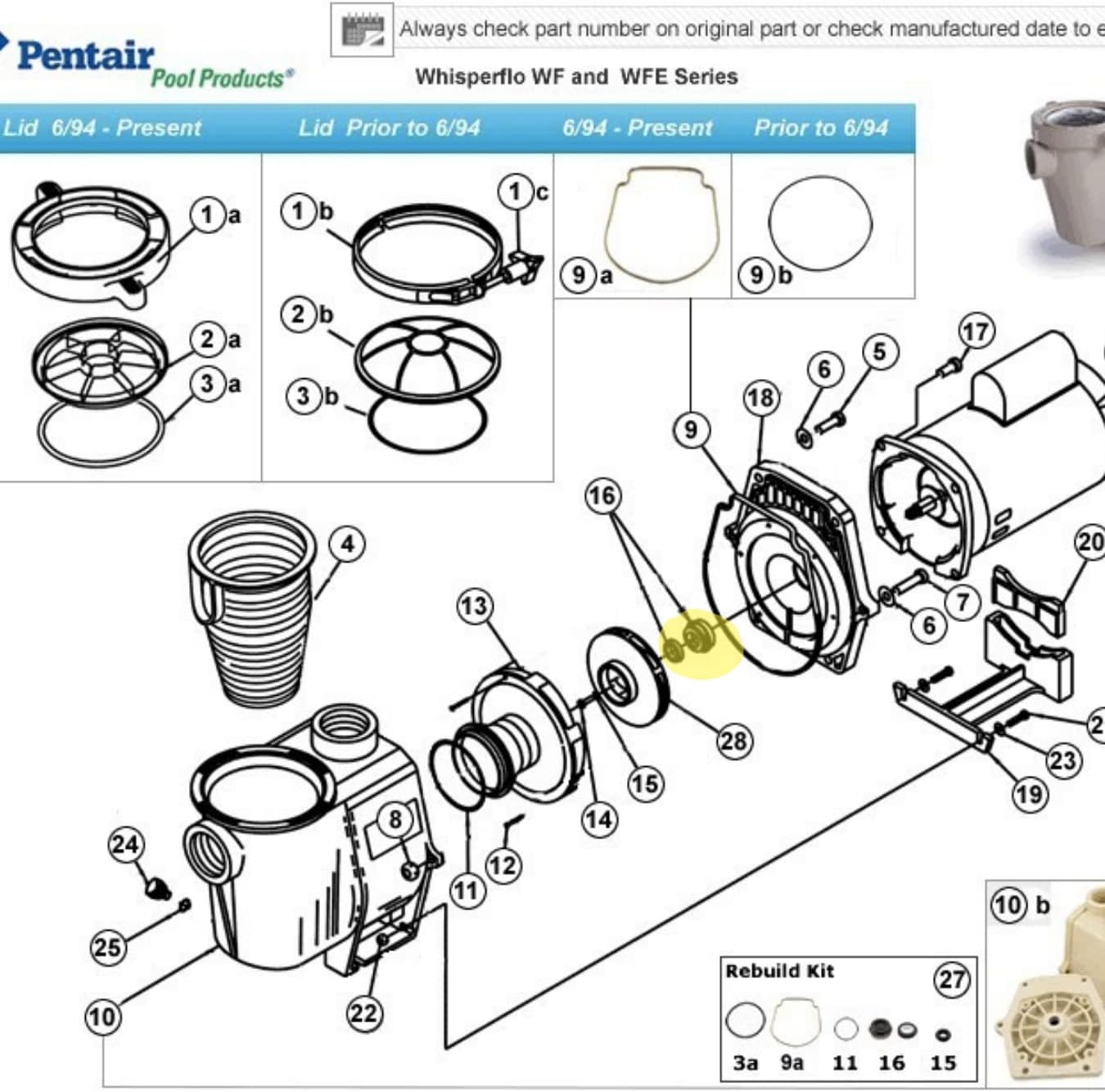
However, running a single-speed pump 24/7 in this heat can lead to overheating. This is where Variable Speed Pumps like the Pentair WhisperFlo VST really shine. We often recommend adjusting schedules during the "June/July Melt" to run longer hours at lower speeds, especially at night, to keep the water moving without blowing your electric bill or burning out the motor.
DIY Heatwave Checklist for East Valley Homeowners
If you’re a DIYer in San Tan Valley or Apache Junction, don’t panic. Just stay vigilant:
- Test Daily: Grab your Taylor K-2006 test kit. Don't rely on strips right now; they can be finicky in the extreme heat. Check your Free Chlorine and pH every single evening.
- Target 7.4 pH: With high evaporation and aeration, your pH will want to climb. Keep it on the lower end (7.2–7.4) to help prevent scaling.
- Check the Water Level: If the water drops below the skimmer, your pump will suck air, lose prime, and potentially melt the PVC plumbing or the pump seal plate.
- Nighttime Filtration: Run your main filtration cycle at night when the water (and the air) is slightly cooler. This helps with the LSI balance and saves your equipment from the peak afternoon heat.
- Don't Forget the Basket: Monsoon winds often accompany these heatwaves. A clogged skimmer basket will starve your pump of water, causing it to overheat in minutes when it's 115°F outside.
How We Can Help (The Virtual Option)
Look, I get it. Not everyone wants to spend 30 minutes over a hot pool deck testing chemicals when it's 115 degrees out. And sometimes, you see something "funky" in the water and you aren't sure if you need a $500 repair or a $20 bottle of acid.
That is why we launched our Virtual Service Call.
Instead of waiting days for a tech to show up (and paying a premium "emergency" fee), you can upload photos or a video of your equipment or water. Our AI assistant helps organize the info, and then I: Jeff: personally review it to give you a real diagnosis. It’s the fastest way to get a professional second opinion in the East Valley without the "expert" price tag.

The Bottom Line
115°F is a "breaking point" for many pools in Chandler and Gilbert. If your service frequency is lagging, your pool chemistry will follow. Whether you’re an HOA board member managing a community asset or a homeowner just trying to keep the kids cool, don't let the heat get ahead of you.
Stay hydrated, stay cool, and keep that chlorine moving.
Need a hand with your equipment or water chemistry this week?
- Book a Virtual Service Call for a remote diagnosis.
- Check out our DIY Diagnostics for quick troubleshooting.
- Contact us for Commercial Pool Service in the East Valley.
Stay safe out there, Arizona!